Festivals Through the Year · The Tulu Year, Month by Month
Keddaso: When the Earth Rests
In the last days of Ponny, when the cool of winter is just beginning to lift, the farmers of Tulunadu stop. The plough stays where it is. The land is not dug, not sown, not asked for anything. For three days, the earth is resting.
This is Keddaso, also written Keddasa and sometimes called Bhumi Puje, the worship of the earth. It is one of the quietest and most unusual festivals of the Tulu year, and its idea is a very old one: that the land is alive, and in need of rest like any woman in the family.
The belief behind it
Keddaso rests on the belief that Bhoomi Devi, Mother Earth, menstruates. For these three days she is taken to be in a state of ashaucha, a period of ritual rest, and is left to recover. People in the region do no farming work, so that the Mother can rest. When it is over, she is believed to be fertile again for the farming season ahead.
It comes in winter, at the closing of Ponny, around February in the Gregorian calendar. Wikipedia’s opening line calls it a four-day festival, but its own account and Mangalore Heritage both list three named days: Keddasa, Nadu Keddasa (the middle Keddasa) and Kade Keddasa (the last).
Roasted grain for winter
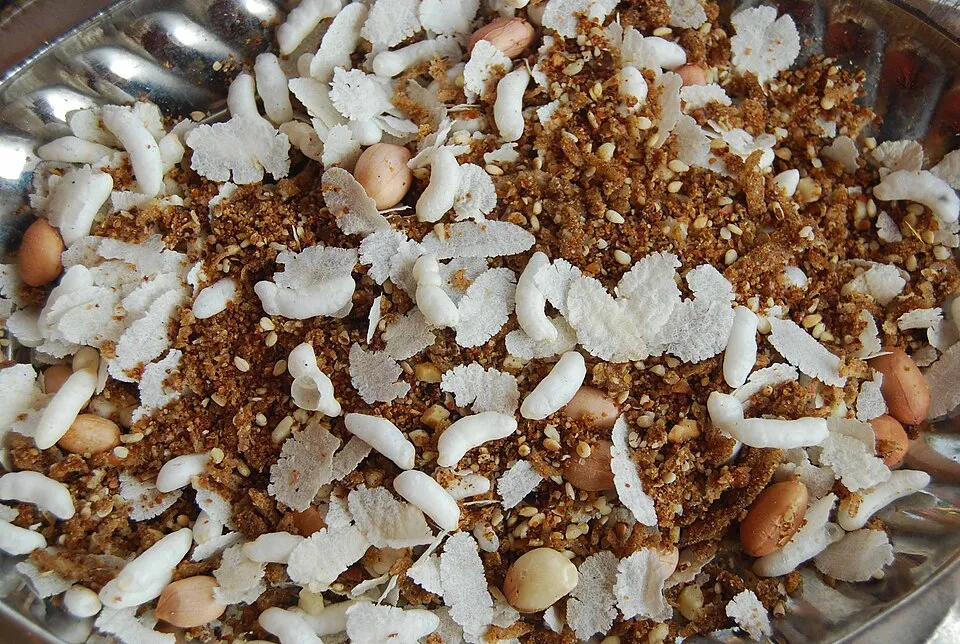

During Keddaso, families prepare kudu ari (also called nanyeri), a mix of horse gram, green gram, dried coconut, rice and peanuts, roasted and handed out to everyone. Mangalore Heritage describes it as nine grains, spiced and roasted, always including horse gram and rice, and shared among well-wishers. One reason given is practical: in winter the body needs protein and oil, and these grains supply both.
The hunt
Over these days, the village used to go hunting. The arasu, the village headman, went out with the villagers, and young men hunted wild animals and birds. The bonte kept down the animals that trouble the fields, and gave farming families a break from the year’s work.
The hunt is called with a paddana, an oral song, by members of the Nalike community. They go to the houses in their area, and the eldest woman of each family gives them a large coconut, rice, areca nut, betel leaves, chilli, garlic, onion, tamarind and the other things needed to cook the curry of whatever is caught.
The last day: a bath for the earth
On Kade Keddasa, the last day, the eldest woman of the house rises early. She spreads cow dung around the Tulasi shrine in the yard and lights a lamp. She sets out kumkum and shikakai (a natural hair wash), and pours coconut oil onto the soil as a symbol of oil for Mother Earth, before going to bathe herself. The shikakai is left there because the earth, it is believed, bathes herself with it.
After her own bath, she places a dish called sarnadde, a food particular to Tulunadu, on a banana leaf at the Tulasi shrine.
The Nalike connection
The Nalike community are the hereditary performers of Bhuta Kola, and they play the part of the Aati Kalenja in Aati. In Keddaso, they appear once more, as the voice that calls the village to the hunt. It is one of several ways their role threads through the Tulu year.
Related
- The Tulu Year, Month by Month, where Keddaso sits among the twelve months
- Aati: Tulunadu’s Monsoon Pause, another month with a role for the Nalike
- Bhuta Kola: When the Spirits Come to the Village, the Nalike community’s other great tradition
Sources & further reading
The books and articles behind this page.
- Wikipedia, “Keddaso”: Bhoomi Devi menstruating, the three named days, the rest from farming, the Tulasi ritual with cow dung, kumkum, shikakai and coconut oil, sarnadde, kudu ari and the reason given for it, the hunt led by the arasu, and the Nalike paddana and the offerings given to them.
- Mangalore Heritage, “Keddasa – A Tulunadu Farming Tradition Honoring Mother Earth”: the winter season, farmers leaving the land untilled, the last three days of Ponni, the nine-grain kudu ari shared with well-wishers, the Kade Keddasa ritual, the youths and the arasu going to hunt for pest control and recreation, and the Nalike paddana.
Both sources are heritage and encyclopaedia writing, and the second is a regional heritage website. Treat the details as well attested but not deeply cross-checked. We did not find a scholarly study of the festival.
Words on this page
What the Tulu and other Indian-language terms on this page mean.
- bhuta kola
- The night-long ceremony in which a guardian spirit takes over a performer to dance, bless and judge.
- bonte
- A hunt.
- Keddaso
- A three-day rest for the land, around February.
- kudu ari
- Roasted grains shared during Keddaso.
- Nalike
- A community of hereditary performers.
- paddana
- A long oral ballad, sung to tell the story of a daiva or hero.
- sarnadde
- A dish made on the last day of Keddaso.
Themes
Spotted a mistake, or know more about this? Suggest a correction/addition.