Jarandaya, the Prince Who Could Not Swallow an Insult
A prince on a journey comes to a village road, and a man stands across it. The man is tall and well-built, a trader, and his friends stand with him. He tells the prince to kneel and crawl through the space between his legs. The prince is alone. The one friend he trusts is away.
What happens next is told in the story of Jarandaya. It is a tale about pride, and about how little it takes for a quarrel to end in a death.
The story
The story below follows a single account: the folklorist-blogger Ravindra Mundkur’s collection of spirit legends on the Tulu Research & Studies blog, which he says he gathered from older Tulu people.¹
A prince who settled quarrels
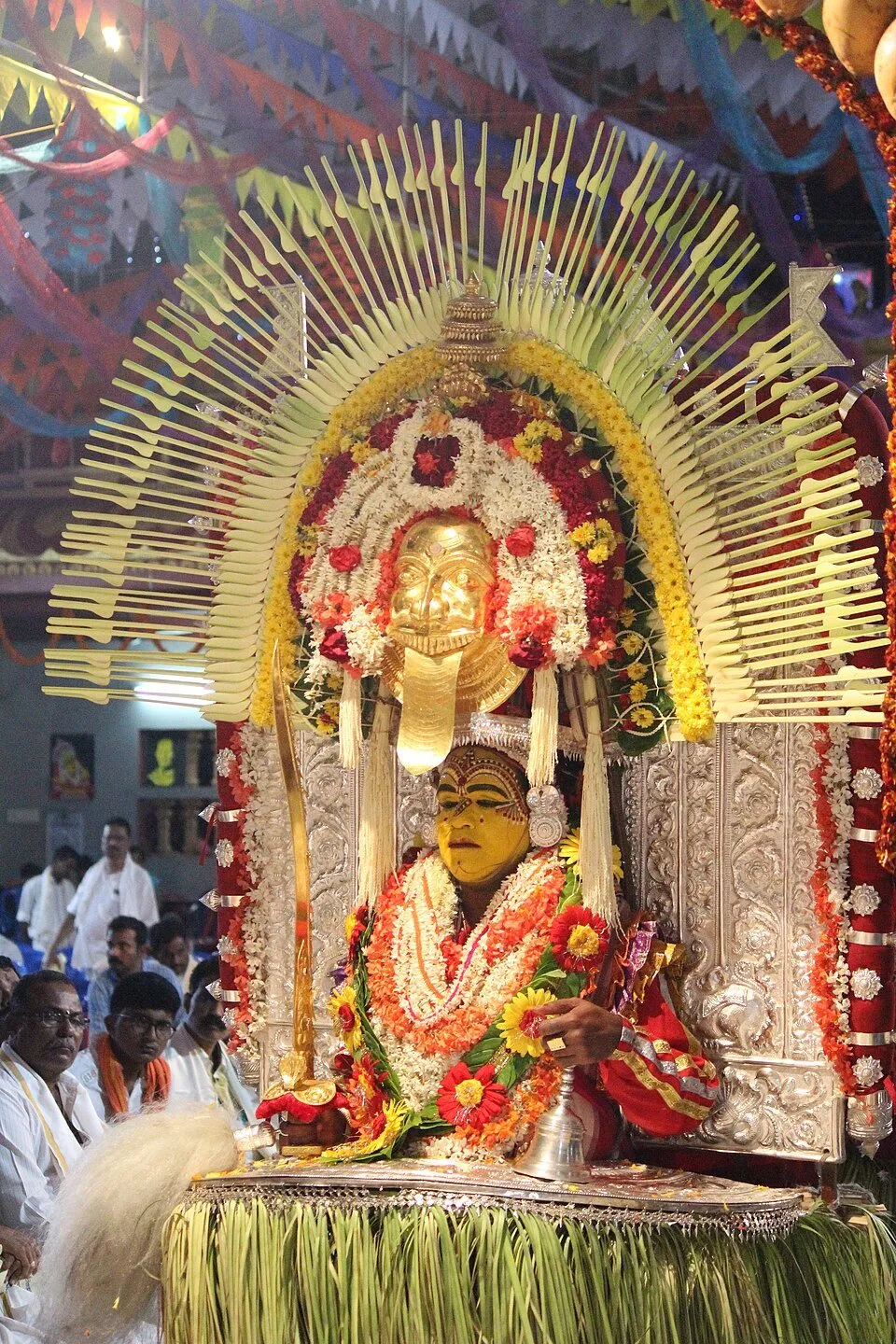

Jarandaya, the story says, was the ninth son of a Jain king of Barkur. He travelled along the west coast from Barkur to Nileshwar, settling disputes among ordinary people.¹
He had an assistant, a banta, called Koteda Babbu, also written Kotdabbu. The name means “Babbu of the Fort”, from kote, fort. Koteda Babbu was a skilled fort-builder of the Mundala community, said to have come to Barkur from the upland Kannada country. He was also a sorcerer, an expert in witchcraft, water divining and native medicine. He went along on the prince’s journeys. After a time he stopped going with him, because of some difference of opinion between them.¹
The trader at Kapu
Bobbariya, whom this site calls Babbarya, was a tall and well-built Muslim trader with influence among the fishing people of the Kapu coast. The blog says he was born to a Muslim father and a converted Bunt woman, and that, according to the paddanas, he was born in Goa and grew up in Kochi. He ran a provisions store near the fishing village, and then had a large boat built for sea trade, with a crew of local fishermen and Muslims. He prospered and became a leading figure in the area.¹
He did not like an outsider from Barkur coming into his territory to settle small local quarrels. On one of his journeys, with Koteda Babbu away, Jarandaya met him at Kapu. Bobbariya and his men blocked the road. He told the prince to kneel down and pass between his legs.¹
The revenge
Jarandaya could not bear the insult. He went to Koteda Babbu for advice on how to avenge it. Koteda Babbu thought, and made a plan that needed another man, Neecha Taniya.¹
Neecha means “lower”, and taniya means Saturn, the blog explains. Neecha Taniya came from a lower community, one that does not shrink from pork or beef, and the plan used that. He threw the cut leg of a pig at Bobbariya, who was stunned. In that moment of confusion, Neecha slashed with a sword and cut off one of Bobbariya’s legs. Bobbariya bled to death.¹
What became of them
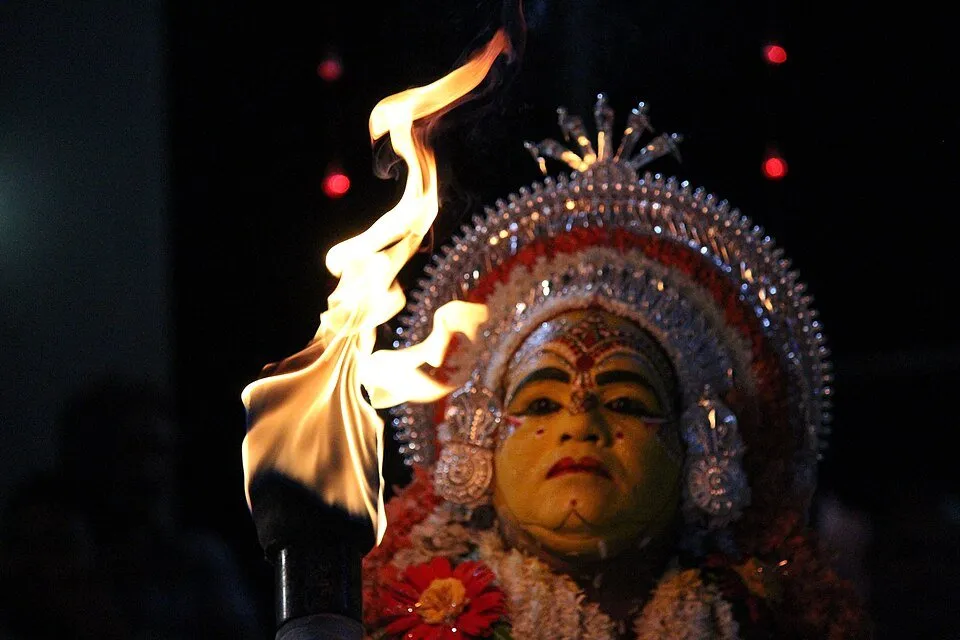

Jarandaya is worshipped today with his assistant, Koteda Babbu, who is a banta daiva, an attendant spirit. Bobbariya is worshipped with Neecha Taniya. The blog says that Mogaveera settlements by the sea always have a Bobbariya gunda, a shrine stone, among the houses, and that fishermen believe he protects them in rough seas and helps them to a good catch.¹
Many Tulu families, the blog adds, set aside some food at the start of dinner on auspicious days for Neecha. The custom is called neechag balsuni.¹
Koteda Babbu in the well
The same blog goes on to tell what happened to Koteda Babbu. His popularity was not tolerated by upper-caste rival soothsayers, who planned to get rid of him. They invited him to inspect a problem well at Kanchinadka, near Padubidri. He went down, and they covered the opening with stone slabs, meaning to bury him alive.¹
A woman of the Mugera community, called Tanni Managa, heard his cries as she passed. She slid the slabs aside and found a man trapped. She had nothing to pull him up with, and Babbu told her to let down her sari. She hesitated, because as a poor woman she wore only the sari, but agreed when he promised not to look up at her. As he climbed, he turned his head to see how far he had to go. She was upset. When he realised that he had offended her, he slashed his forehead several times with his sword as penance.¹
This is the story told on Kordabbu and Tannimaniga, the Healer and the Sister Who Saved Him, where the rescuer is called Tannimaniga and the well is not named. The Scroll author there also gives Koteda Babbu as another name for Kordabbu.² Here he is the prince’s assistant, with a different background.
Two daivas, two stories
The story of Bobbariya on Babbarya, the Daiva of the Sea is a different one. There he is a sympathetic figure, and not a proud rival who is killed by a plot. The two do not match, and we have not tried to make them match.
Daiva stories often belong to the people who honour the daiva. Mogaveera fishermen honour Babbarya, and Jarandaya has his own followers. A rival’s version of a story is often the least kind to the other side. That is our reading of how stories like these behave, and not something the source says.
Jarandaya also appears among the daivas at some family shrines, for example in the sets of daivas described on Maisandaya, Guardian of the Herd and Pilichamundi, the Tiger Goddess.
What we could not find
- The paddana. The blog is the only account of this story we have, and it is a collection of oral anecdotes. We have not seen a sung version.
- Shrines. The source names no shrine for Jarandaya. We have no list.
- How Jarandaya became a daiva. The story tells of his insult and his revenge, and then says only that he is worshipped.
- A scholarly study. We found none.
Related
- Babbarya, the Daiva of the Sea, the trader of Kapu, in a very different telling
- Kordabbu and Tannimaniga, the Healer and the Sister Who Saved Him, the well and the sari
- Maisandaya, Guardian of the Herd and Pilichamundi, the Tiger Goddess, where Jarandaya is named among the daivas of a family shrine
- Bhuta Kola: When the Spirits Come to the Village
Sources & further reading
The books and articles behind the numbered notes on this page.
- Ravindra Mundkur, “62. Characterization of Spirits of Tulunadu (1)”, Tulu Research & Studies (blog, December 2007; read on 9 October 2026): the whole story, the worship, the neechag balsuni custom, and Koteda Babbu in the well.
- K. Hari Kumar, “Faith and spirituality: How Kordabbu, or Daivaraja Babbu Swami, became a revered spirit in Tulu Nadu”, Scroll.in (15 May 2024): Koteda Babbu as another name for Kordabbu.
The page rests on one blog, which collected oral anecdotes. We found no scholarly source.
Words on this page
What the Tulu and other Indian-language terms on this page mean.
- daiva
- A guardian spirit; used interchangeably with bhuta.
- gunda
- A small shrine of Bermer standing on its own.
- paddana
- A long oral ballad, sung to tell the story of a daiva or hero.
Themes
Spotted a mistake, or know more about this? Suggest a correction/addition.